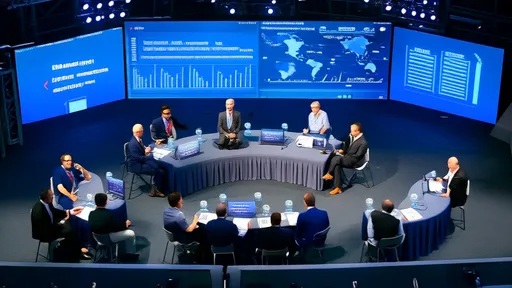
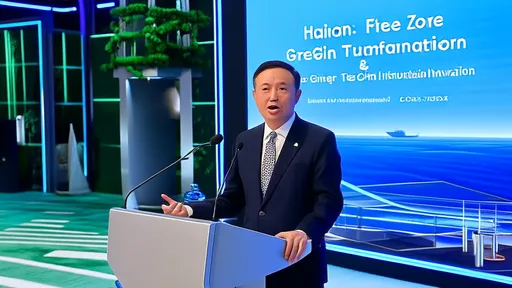
The global trade landscape is undergoing a profound transformation, marked by increasing fragmentation and regionalization. In response, free zones worldwide are adapting their strategies to remain relevant and competitive in this new era. The recent World Conference on Supply Chain Resilience brought together industry leaders, policymakers, and academics to explore pathways for supply chain restructuring in the face of these challenges.
Free zones have long served as critical nodes in global trade networks, offering businesses streamlined customs procedures, tax incentives, and regulatory flexibility. However, the traditional model of concentrating manufacturing in low-cost regions and shipping finished goods across oceans is being reconsidered. Geopolitical tensions, pandemic-related disruptions, and growing emphasis on supply chain security are driving this reassessment.
Conference participants emphasized that free zones must evolve beyond their traditional roles as tariff-free enclaves. The new paradigm requires zones to become integrated hubs that combine manufacturing, innovation, and services. Several Middle Eastern free zones are leading this transformation by developing advanced logistics infrastructure and digital systems that enable faster customs clearance and more efficient cargo handling.
Digital transformation emerged as a central theme throughout the discussions. The implementation of blockchain technology, artificial intelligence, and Internet of Things systems is becoming essential for free zones seeking to maintain their competitive edge. These technologies enable real-time tracking of goods, automated documentation processing, and predictive analytics for supply chain optimization.
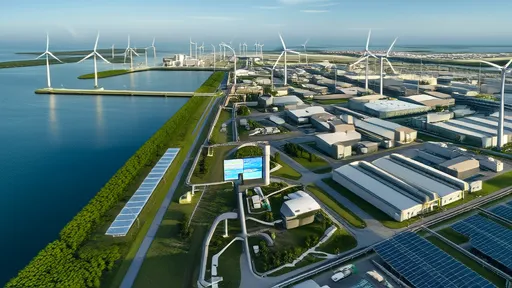
Asian free zones are particularly focused on developing smart infrastructure that can accommodate the growing demand for near-shoring and friend-shoring. By investing in advanced manufacturing facilities and digital connectivity, these zones position themselves as attractive alternatives to traditional manufacturing hubs. The integration of renewable energy sources and sustainable practices further enhances their appeal to environmentally conscious corporations.
European free zones are exploring new opportunities in high-value manufacturing and research development. Rather than competing on cost alone, these zones are leveraging their proximity to skilled labor and research institutions to attract companies in sectors like pharmaceuticals, aerospace, and advanced electronics. This strategic pivot reflects the broader trend toward knowledge-intensive economic activities within free zones.
The conference highlighted the growing importance of sustainability in free zone operations. Environmental, social, and governance considerations are increasingly influencing corporate decisions about supply chain configuration. Free zones that can demonstrate strong environmental credentials and social responsibility are better positioned to attract investment from multinational corporations.
African free zones are focusing on developing regional value chains that reduce dependence on distant suppliers. By fostering connections between local businesses and international markets, these zones contribute to economic diversification and job creation. Several successful initiatives demonstrate how free zones can serve as catalysts for broader industrial development in emerging economies.
Supply chain resilience requires diversification of sourcing and production locations. Free zones are responding by developing specialized clusters that cater to specific industries or market segments. This approach allows businesses to maintain multiple production sites while benefiting from the efficiencies offered by free zone environments.
The relationship between free zones and their host economies is evolving toward greater integration. Rather than operating as isolated enclaves, successful free zones are developing strong linkages with local businesses and educational institutions. This integration helps ensure that the benefits of foreign investment extend beyond the zone boundaries.
Customs modernization remains a priority for free zones seeking to facilitate trade. Simplified procedures, risk-based inspections, and mutual recognition agreements between customs authorities can significantly reduce transaction costs and delays. Several countries are implementing single window systems that allow traders to submit all required documentation through a single portal.
The conference concluded that free zones will continue to play a vital role in global trade, but their functions and operations must adapt to changing circumstances. The most successful zones will be those that can offer not just fiscal advantages but also world-class infrastructure, skilled workforce, and innovative business environments.
Looking ahead, free zones are likely to become testing grounds for new trade technologies and business models. Their flexibility and specialized regulatory frameworks make them ideal environments for piloting innovations that could later be adopted more broadly. This experimental function may prove increasingly valuable as international trade becomes more complex and digitally driven.
Supply chain restructuring presents both challenges and opportunities for free zones worldwide. Those that can anticipate market trends and adapt quickly will thrive in the new trade landscape. The insights from the World Conference provide valuable guidance for policymakers and business leaders navigating this transformation.
The evolution of free zones reflects broader shifts in global economic governance. As multilateral trade agreements face challenges, regional and bilateral arrangements are gaining importance. Free zones that can position themselves at the intersection of these evolving trade architectures will enjoy significant advantages.
Ultimately, the success of free zones in the era of trade fragmentation will depend on their ability to offer unique value propositions that address contemporary business needs. This requires continuous innovation in services, infrastructure, and regulatory frameworks. The zones that embrace this challenge will not only survive but thrive in the changing global economy.
The World Conference demonstrated that while the challenges are significant, the collective wisdom and experience of free zone operators worldwide provide a solid foundation for navigating the current transitions. The coming years will likely see further innovation and adaptation as free zones continue to reinvent themselves for the new era of global trade.
By /Oct 10, 2025

By /Oct 11, 2025
By /Oct 11, 2025

By /Oct 11, 2025
By /Oct 10, 2025
By /Oct 10, 2025

By /Oct 10, 2025

By /Oct 11, 2025

By /Oct 11, 2025
By /Oct 10, 2025
By /Oct 11, 2025

By /Oct 16, 2025

By /Oct 11, 2025
By /Oct 10, 2025

By /Oct 11, 2025
By /Oct 11, 2025
By /Oct 10, 2025

By /Oct 11, 2025
By /Oct 10, 2025
By /Oct 10, 2025
