In urban apartments and suburban homes alike, a quiet revolution is taking place on balconies and patios. The humble black soldier fly (Hermetia illucens) is emerging as an unexpected ally in the fight against food waste. These unassuming insects are proving to be nature's most efficient organic waste processors, capable of transforming kitchen scraps into valuable resources right where the waste is generated.
The Black Soldier Fly Advantage
Unlike traditional composting methods that can take weeks or months, black soldier fly larvae (BSFL) devour organic matter at an astonishing rate. These voracious eaters can consume twice their body weight in food scraps daily, reducing waste volume by up to 75% in just 14 days. Their digestive process creates two valuable byproducts: nutrient-rich frass (insect manure) perfect for fertilizing plants, and protein-dense larvae that can feed chickens, fish, or even be processed into pet food.
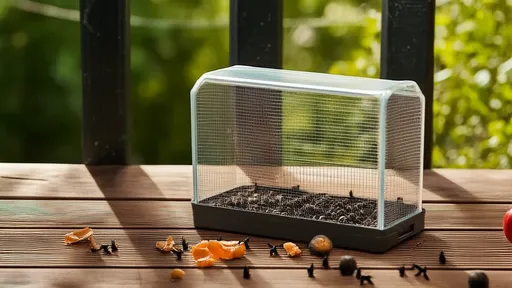
Urban dwellers are discovering that maintaining a small-scale BSFL system requires surprisingly little space and effort. A simple container with proper ventilation and moisture control can house thousands of larvae productively working through household food waste. The system operates with minimal odor when managed correctly, making it ideal for balcony installations where space is limited but sustainability goals are large.
Setting Up Your Balcony Bioconversion Station
The beauty of BSFL systems lies in their simplicity. A plastic bin with a mesh bottom allows for proper drainage and prevents escape. Food waste is added regularly, and the larvae handle the rest. As they mature, the self-harvesting design of many systems encourages the prepupae to climb out of the composting area into a collection vessel, making harvest nearly effortless.
Temperature plays a crucial role in optimization. These cold-blooded creatures process waste fastest between 80-95°F (27-35°C). In cooler climates, strategic placement of the bin in sunlight or using insulation can maintain ideal conditions. Conversely, in hot environments, partial shade prevents overheating. The larvae's own metabolic activity generates warmth, creating a self-sustaining microclimate in properly scaled systems.
What Black Soldier Flies Will (and Won't) Consume
BSFL demonstrate remarkable dietary flexibility, happily processing most fruit and vegetable scraps, coffee grounds, eggshells, and even small amounts of bread or grains. They particularly thrive on slightly fermented waste, making them excellent for processing materials that might be too far gone for human consumption but represent perfect larval nutrition.
However, these insects have their limits. Citrus fruits in large quantities can acidify the bin environment, while excessive onions or spicy peppers may deter feeding. Meat and dairy products are generally avoided in small-scale systems due to odor concerns, though commercial operations sometimes include them in controlled mixtures. The golden rule remains: if you wouldn't put it in a backyard compost, don't feed it to your larvae.
The Circle of Sustainability
Completed cycles reveal the true magic of this system. Harvested frass makes an exceptional fertilizer, rich in nitrogen, phosphorus, and potassium with the added benefit of chitin from insect exoskeletons, which helps plants develop natural pest resistance. The protein-rich larvae offer a sustainable feed alternative, completing a perfect loop where food waste becomes food again.
For those not keeping animals, the larvae still serve purpose. Dried and crushed, they become a potent garden amendment. Some innovative urban farmers even trade excess larvae with local chicken keepers or community gardens, establishing neighborhood sustainability networks centered around these remarkable insects.
Overcoming the Ick Factor
Initial hesitation about keeping insects dissolves quickly for most practitioners. The larvae resemble small grains of rice and display none of the behaviors people associate with pest flies. Adult black soldier flies don't bite, sting, or spread disease. In fact, their presence actively deters common houseflies by competing for resources and secreting compounds that repel other species.
Modern design-forward containers help make the practice more approachable. Sleek, odor-blocking systems with observation windows turn waste processing into an educational feature rather than a hidden chore. Many users report fascination watching the larvae's rapid growth and efficient work, with children particularly drawn to this hands-on ecology lesson.
Scaling for Impact
While individual households might process a few pounds of waste weekly, collective adoption could significantly reduce municipal organic waste. Some forward-thinking communities have begun pilot programs distributing BSFL starter kits to interested residents, tracking the aggregate waste diversion. Early results show promise, with participating households reducing their organic waste by 40-60%.
Restaurants and small food businesses are also discovering balcony-sized solutions. A single well-maintained system can handle the prep waste from a small café or the unsellable produce from a market stall. This hyperlocal approach eliminates transportation emissions associated with commercial composting while creating immediate value from what was previously a disposal cost.
The Future of Urban Waste Management
As cities grapple with overflowing landfills and the climate impact of food waste, black soldier flies offer a scalable, decentralized solution. Their ability to convert waste rapidly without specialized infrastructure makes them particularly valuable in dense urban environments where traditional composting isn't feasible. The insects' natural temperature tolerance allows year-round operation in all but the coldest climates with minimal protection.
Research continues to uncover new applications for BSFL byproducts. The larvae's high lauric acid content shows promise as a natural antibiotic alternative in animal feed. Chitosan derived from their exoskeletons has potential in water filtration and medical applications. What begins as a simple waste reduction method on a balcony may contribute to solving larger environmental and health challenges.
For apartment dwellers tired of smelly trash cans and guilt-ridden about food waste, the black soldier fly presents an elegant solution. These unassuming insects turn a daily chore into a fascinating natural process, closing the nutrient loop right outside the kitchen window. As more urbanites discover this living waste processor, the humble balcony may become the unlikely headquarters of a quiet sustainability revolution.

By /Aug 18, 2025

By /Aug 18, 2025

By /Aug 18, 2025

By /Aug 18, 2025
By /Aug 18, 2025
By /Aug 18, 2025

By /Aug 18, 2025

By /Aug 18, 2025

By /Aug 18, 2025

By /Aug 18, 2025

By /Aug 18, 2025

By /Aug 18, 2025

By /Aug 18, 2025

By /Aug 18, 2025

By /Aug 18, 2025
By /Aug 18, 2025

By /Aug 18, 2025

By /Aug 18, 2025

By /Aug 18, 2025
By /Aug 18, 2025
