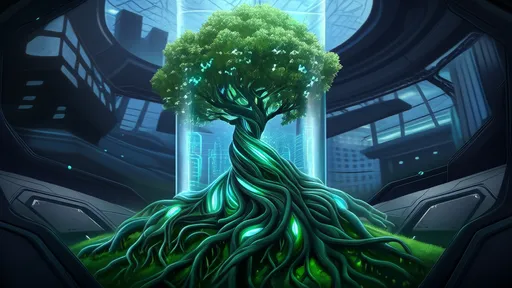
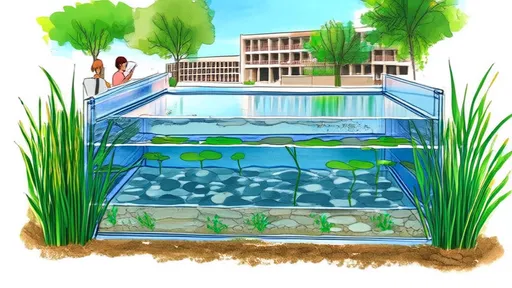
The concept of a self-sustaining ecosystem on Mars has long been a subject of fascination for scientists and space enthusiasts alike. Recent advancements in bioengineering and closed-loop systems have brought us closer to turning this vision into reality. Among the most promising developments is the "Algae Dome," a structure designed to harness the power of photosynthetic organisms to produce oxygen and fix nitrogen in the harsh Martian environment. This innovation could be a cornerstone for future human colonization, addressing two of the most critical challenges: breathable air and fertile soil.
The Algae Dome is not just a theoretical construct; it builds upon decades of research into bioregenerative life support systems. On Earth, algae have been used in experimental closed ecosystems to recycle carbon dioxide and generate oxygen. Translating this technology to Mars, however, requires overcoming extreme conditions such as low gravity, high radiation, and a thin atmosphere. The dome's design incorporates robust materials to shield its delicate biological components while maximizing exposure to sunlight, which is weaker on Mars but still sufficient for photosynthesis.
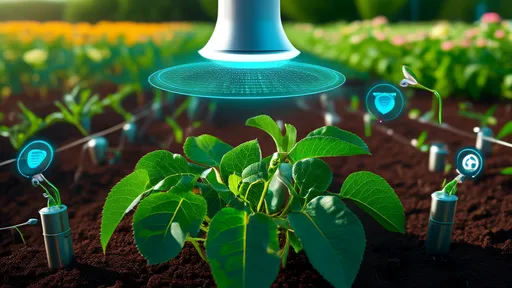
Nitrogen fixation is a key function of the Algae Dome. Martian soil contains nitrates, but they are not readily accessible for plant growth. Certain strains of cyanobacteria, a type of blue-green algae, have the unique ability to convert atmospheric nitrogen into ammonia, a form that plants can absorb. By introducing these microorganisms into the dome, scientists aim to create a cycle where algae enrich the soil, enabling higher plants to thrive. This process mirrors natural ecosystems on Earth, where nitrogen-fixing bacteria play a vital role in sustaining agriculture.
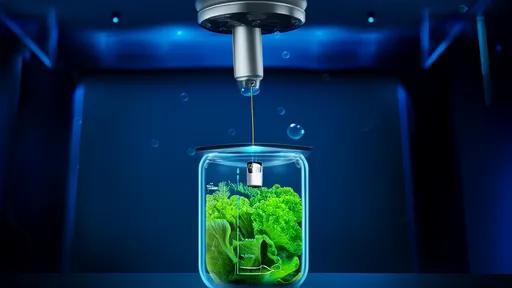
Oxygen production is another critical output of the Algae Dome. Unlike mechanical systems that require constant energy input and maintenance, algae operate passively, using sunlight to split water molecules and release oxygen. Early tests in simulated Martian conditions have shown that algae can achieve significant oxygen yields, potentially reducing the need for costly and complex electrolysis systems. Over time, a network of such domes could contribute to creating a breathable atmosphere in enclosed habitats or even terraforming efforts on a larger scale.
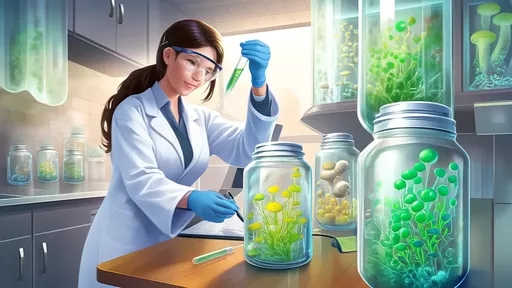
The closed-loop nature of the system minimizes waste, as byproducts from one process become inputs for another. For example, algae consume carbon dioxide exhaled by humans and release oxygen, while their biomass can be harvested for food or converted into biofuels. This circular economy approach is essential for long-term missions where resupply from Earth is impractical. Researchers are also exploring genetic modifications to enhance algae's resilience and productivity, tailoring them specifically for extraterrestrial conditions.
Despite its promise, the Algae Dome faces significant hurdles. Maintaining stable conditions inside the dome is challenging, as temperature fluctuations and dust storms on Mars could disrupt the delicate balance of the ecosystem. Contamination is another concern; if terrestrial algae were to escape into the Martian environment, they could interfere with potential native life forms or skew scientific studies. Rigorous containment protocols and fail-safes are being developed to mitigate these risks.
Public and private space agencies are closely monitoring these developments. NASA's upcoming Artemis missions and SpaceX's ambitious plans for Mars colonization could benefit from integrating algae-based systems into their life support infrastructure. The European Space Agency has also expressed interest, funding studies on how algae could be cultivated during long-duration spaceflights. Collaboration between biologists, engineers, and astrobiologists is accelerating progress, with pilot projects expected within the next decade.
The philosophical implications of the Algae Dome are as profound as its technical ones. By creating a functioning ecosystem on another planet, humanity would take a significant step toward becoming a multi-planetary species. The dome symbolizes our ability to adapt and thrive in hostile environments, using biology as a tool to reshape worlds. It also raises ethical questions about our responsibility to preserve or alter extraterrestrial ecosystems, debates that will only grow more pressing as technology advances.
Looking ahead, the Algae Dome could serve as a model for sustainable living both on Mars and Earth. As climate change intensifies, closed-loop agricultural systems and carbon-neutral technologies are becoming increasingly vital. Lessons learned from Martian algae cultivation might inform solutions for food security and environmental restoration back home. The dome is more than a survival tool; it is a testament to human ingenuity and our enduring drive to explore and innovate.
In the coming years, as robotic missions lay the groundwork for human arrival on Mars, the Algae Dome will likely transition from concept to critical infrastructure. Its success could pave the way for more ambitious projects, such as open-air algae farms or even planetary-scale atmospheric engineering. For now, it stands as a beacon of hope, demonstrating that even in the barren expanse of space, life finds a way—with a little help from science.
By /Aug 18, 2025

By /Aug 18, 2025

By /Aug 18, 2025
By /Aug 18, 2025
By /Aug 18, 2025
By /Aug 18, 2025
By /Aug 18, 2025

By /Aug 18, 2025
By /Aug 18, 2025
By /Aug 18, 2025
By /Aug 18, 2025

By /Aug 18, 2025

By /Aug 18, 2025
By /Aug 18, 2025
By /Aug 18, 2025
By /Aug 18, 2025
By /Aug 18, 2025
By /Aug 18, 2025

By /Aug 18, 2025
By /Aug 18, 2025
