In the ever-evolving landscape of fitness technology, a new generation of wearable devices is making waves by offering unprecedented insights into how our bodies burn energy. Dubbed "metabolic wearables," these advanced biosensor-equipped gadgets go far beyond counting steps or monitoring heart rates—they provide real-time data on calorie expenditure at the molecular level.
The science behind these devices represents a quantum leap from traditional activity trackers. Where older models relied on generalized algorithms to estimate calorie burn, modern metabolic wearables analyze biochemical markers like lactate levels, oxygen consumption, and glucose metabolism through non-invasive skin sensors. This physiological approach captures what your body is actually doing rather than making educated guesses based on movement patterns.
Breaking Down the Technology
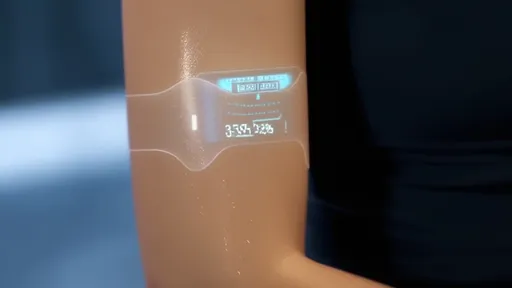
At the core of these devices lie sophisticated biosensor arrays capable of detecting subtle changes in perspiration composition, skin temperature, and even interstitial fluid. Some models use optical sensors to measure blood flow characteristics, while others employ galvanic skin response to track electrolyte shifts during different intensity workouts. The most advanced units combine multiple sensing modalities to create comprehensive metabolic profiles.
What sets these wearables apart is their ability to distinguish between different energy systems. They can identify when your body switches from aerobic to anaerobic metabolism, how efficiently you're burning fats versus carbohydrates, and even detect metabolic adaptations over time. This granular data helps athletes optimize training zones and allows everyday users to understand their unique energy expenditure patterns.
From Lab to Wrist: The Democratization of Metabolic Analysis
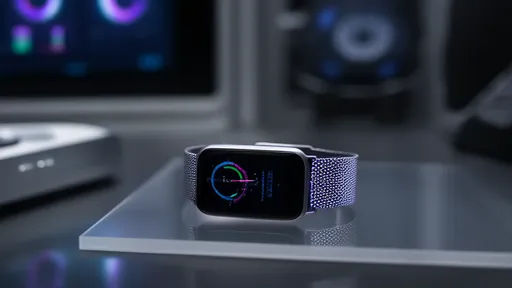
Until recently, this level of metabolic insight required expensive laboratory equipment like indirect calorimeters or VO₂ max testing setups. The miniaturization of biosensor technology has brought what was once exclusive to sports science labs into consumer-friendly wristbands and arm patches. This accessibility is changing how people approach fitness, weight management, and overall health.
Early adopters report using the data to make nuanced adjustments to their nutrition and workout routines. One marathon runner described how metabolic feedback helped her identify the precise heart rate zone where her body switched from fat to carbohydrate burning—information she used to strategize race-day fueling. Office workers have discovered surprising variations in their resting metabolic rates throughout the workweek, prompting changes in activity patterns.
The Accuracy Question
As with any emerging technology, questions remain about the precision of consumer-grade metabolic wearables. While clinical studies have shown some devices achieving 85-90% correlation with gold-standard lab equipment under controlled conditions, real-world performance can vary based on factors like skin contact, environmental conditions, and individual physiological differences.
Manufacturers are addressing these challenges through machine learning algorithms that continuously improve personalization. Many devices now require initial calibration periods where users input known data points (like weight, age, and fitness level) to establish baseline metabolic parameters. Some even incorporate periodic breath analysis to validate sensor readings against respiratory exchange ratios.
Beyond Fitness: Metabolic Health Applications
The implications of continuous metabolic monitoring extend far beyond athletic performance. Researchers are exploring applications in diabetes management, where real-time glucose metabolism tracking could predict blood sugar fluctuations before they occur. Rehabilitation specialists are using the technology to monitor recovery in patients with metabolic disorders or those regaining mobility after injuries.
Perhaps most promising is the potential for early detection of metabolic syndrome—a cluster of conditions that increase risk for heart disease and diabetes. By establishing personalized metabolic baselines, these wearables could identify concerning deviations long before traditional diagnostic methods catch them. Several ongoing clinical trials are investigating whether metabolic wearables might serve as preventive health screening tools.
The Future of Energy Expenditure Tracking
As sensor technology continues advancing, we're likely to see even more sophisticated metabolic insights. Next-generation devices in development promise to measure mitochondrial efficiency, track amino acid metabolism, and even assess micronutrient status through sweat analysis. Some prototypes incorporate environmental sensors to factor in altitude, temperature, and air quality when calculating energy expenditure.
The integration of artificial intelligence is another frontier. Advanced algorithms may soon be able to predict how dietary changes, sleep patterns, or stress levels will affect an individual's metabolism before they occur. This predictive capability could revolutionize personalized nutrition and preventive medicine.
While metabolic wearables represent a significant step forward in self-quantification, experts caution against over-reliance on the data. These tools work best when combined with professional guidance and a holistic understanding of health. As the technology matures, finding the balance between data-driven insights and intuitive body awareness will be key to maximizing its benefits.
One thing is certain: the era of guessing about calorie burn is ending. With metabolic wearables, we're entering an age of precise, personalized energy expenditure tracking that could transform how we approach fitness, health, and performance optimization.

By /Aug 18, 2025
By /Aug 18, 2025

By /Aug 18, 2025

By /Aug 18, 2025
By /Aug 18, 2025
By /Aug 18, 2025

By /Aug 18, 2025
By /Aug 18, 2025

By /Aug 18, 2025

By /Aug 18, 2025
By /Aug 18, 2025

By /Aug 18, 2025

By /Aug 18, 2025

By /Aug 18, 2025

By /Aug 18, 2025

By /Aug 18, 2025

By /Aug 18, 2025

By /Aug 18, 2025

By /Aug 18, 2025

By /Aug 18, 2025
